

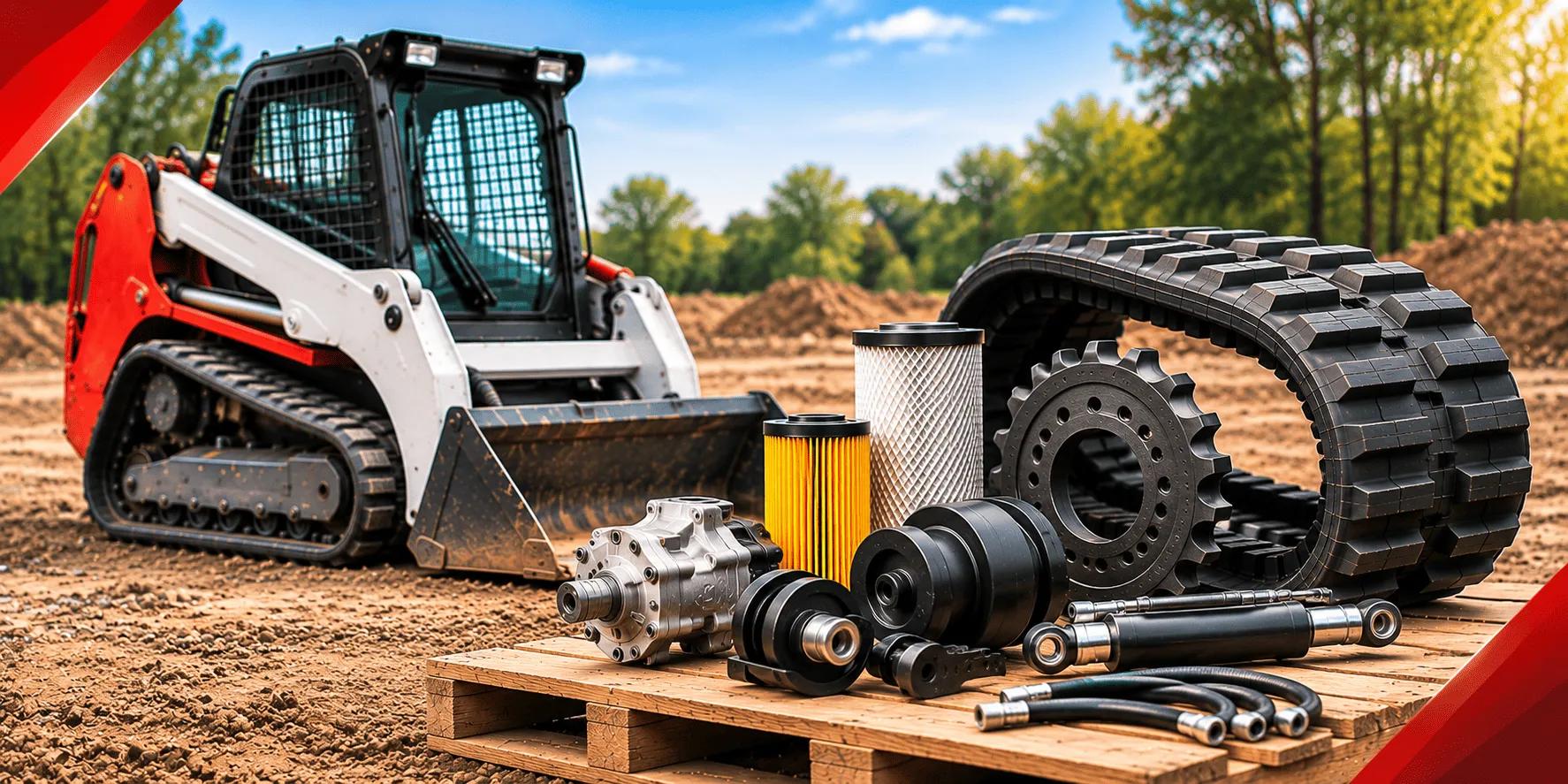
compact track loader
Track loaders rarely work under the same conditions throughout the year. One machine may spend its days moving soil on a construction site, while another handles gravel, demolition debris or landscaping materials. Each application places different demands on the machine. These demands influence component wear, maintenance intervals and the type of replacement parts contractors need to purchase.
For equipment owners, buying parts is not simply a matter of replacing a damaged component. The choice must reflect the machine's workload, operating environment and expected service life. A part suitable for light landscaping may not offer the same performance under continuous heavy use. Understanding jobsite demands helps contractors make practical purchasing decisions and avoid unnecessary repair costs.
How Daily Workloads Affect Parts Requirements
The number of hours a track loader operates each day has a direct effect on component wear. Machines used for long shifts experience more movement, vibration and operating stress. Their tracks, rollers, sprockets, filters and hydraulic components may require more frequent inspection than those on equipment used occasionally.
Work intensity also matters. A loader moving light materials across a level surface faces different demands from one pushing heavy soil or handling dense construction debris. Repeated lifting, turning and travelling can increase stress on several machine systems. Contractors should consider the type of work alongside operating hours when estimating replacement requirements.
Project schedules can make these demands more challenging. During busy periods, equipment may operate for longer hours with fewer opportunities for maintenance. Contractors who review machine usage regularly can identify components approaching their service limits. This allows them to arrange replacements before a failure interrupts planned work.
Why Ground Conditions Influence Parts Selection
The surface beneath a track loader affects how its undercarriage performs. Soft soil and muddy ground can reduce traction and cause material to collect around moving components. Machines may need to work harder to maintain movement, particularly when carrying heavy loads or travelling across uneven surfaces.
Rocky ground and demolition areas create different problems. Sharp stones, broken concrete and abrasive debris can damage rubber tracks and increase wear on undercarriage components. Repeated contact with rough surfaces may also affect rollers, idlers and sprockets. Contractors working in these environments should inspect their machines more frequently and consider parts suited to demanding applications.
Mixed terrain presents another challenge. A loader may move between compacted soil, gravel, pavement and soft ground during one shift. Such conditions require components capable of handling changing levels of traction and resistance. Buyers should assess the machine's main working environment rather than choosing parts based on a single task or occasional site condition.
How Different Attachments Change Component Wear
Track loaders are versatile machines because they can use different attachments for a wide range of jobs. Buckets, pallet forks, augers, trenchers and mulching attachments allow contractors to complete several tasks with one machine. However, each attachment changes how the loader operates and places different demands on its components.
Heavy attachments can increase the load placed on the machine. Tasks involving frequent lifting or pushing may place additional stress on hydraulic hoses, couplers, pins and bushings. Attachments which involve continuous ground contact can also increase vibration and operating resistance. Contractors should consider attachment use when planning maintenance and replacement purchases.
The attachment itself also requires attention. Worn cutting edges, damaged couplers and loose connection points can affect performance and place additional strain on the loader. Checking both the attachment and the machine helps identify problems before they lead to further repairs. A suitable maintenance plan should reflect the complete working setup rather than the base machine alone.
Matching Replacement Parts to Machine Specifications
Jobsite conditions are important, but compatibility remains essential when buying replacement components. Track loaders differ in model design, operating weight and undercarriage configuration. Even machines from the same manufacturer may require different components depending on their model and production details.
Before ordering, contractors should confirm the machine's make, model and serial number where necessary. They should also check part numbers, measurements and relevant specifications. This is particularly important for tracks, rollers, sprockets, idlers and hydraulic components. Incorrect parts can cause fitting problems, delay repairs and increase overall costs.
Buyers sourcing compact track loader replacement components should consider the working application as well as the machine specifications. A component must fit correctly and suit the conditions in which the loader operates. Checking these details before purchase helps reduce ordering errors and supports dependable equipment performance.
Why Parts Availability Matters During Active Projects
A track loader breakdown can affect more than one piece of equipment. If the machine is responsible for moving materials or preparing a work area, its absence may delay other activities. Contractors therefore need to consider parts availability when planning maintenance and purchasing decisions.
Common service items are often easier to plan for because their replacement intervals can be estimated. Filters, belts and selected wear components may be purchased ahead of scheduled maintenance. More specialised parts may require additional sourcing time, so early identification is useful when a machine shows signs of developing problems.
Supplier reliability also plays a role. Contractors should check product specifications, stock availability and delivery arrangements before confirming an order. Working with a parts supplier such as Vine and Branch Equipment Supply can support replacement parts sourcing for equipment maintenance. Accurate machine details help make the purchasing process more straightforward.
How Contractors Can Plan Parts Purchases More Effectively
A practical purchasing plan starts with maintenance records. Contractors should record operating hours, repair dates, component replacements and recurring faults for each machine. These details reveal which parts require frequent attention and where maintenance costs are increasing.
It is also useful to review upcoming project requirements. A loader scheduled for heavy excavation work may need a different maintenance approach from one assigned to occasional landscaping. Inspecting the machine before a demanding project gives contractors time to identify worn components and arrange suitable replacements.
Budget planning should include routine service items as well as unexpected repairs. Contractors can estimate regular expenses using previous maintenance records and operating hours. A separate allowance for unforeseen failures provides additional financial flexibility. This approach helps businesses avoid rushed purchases and maintain better control over equipment operating costs.
Conclusion
Jobsite demands have a direct influence on track loader parts buying decisions. Operating hours, ground conditions, attachment use and project intensity all affect component wear and maintenance requirements. Contractors who consider these factors before purchasing replacement parts can make more informed choices, reduce unnecessary downtime and manage repair budgets effectively. Matching parts to both machine specifications and working conditions is essential for maintaining reliable equipment across different projects.